%20Logos.png)
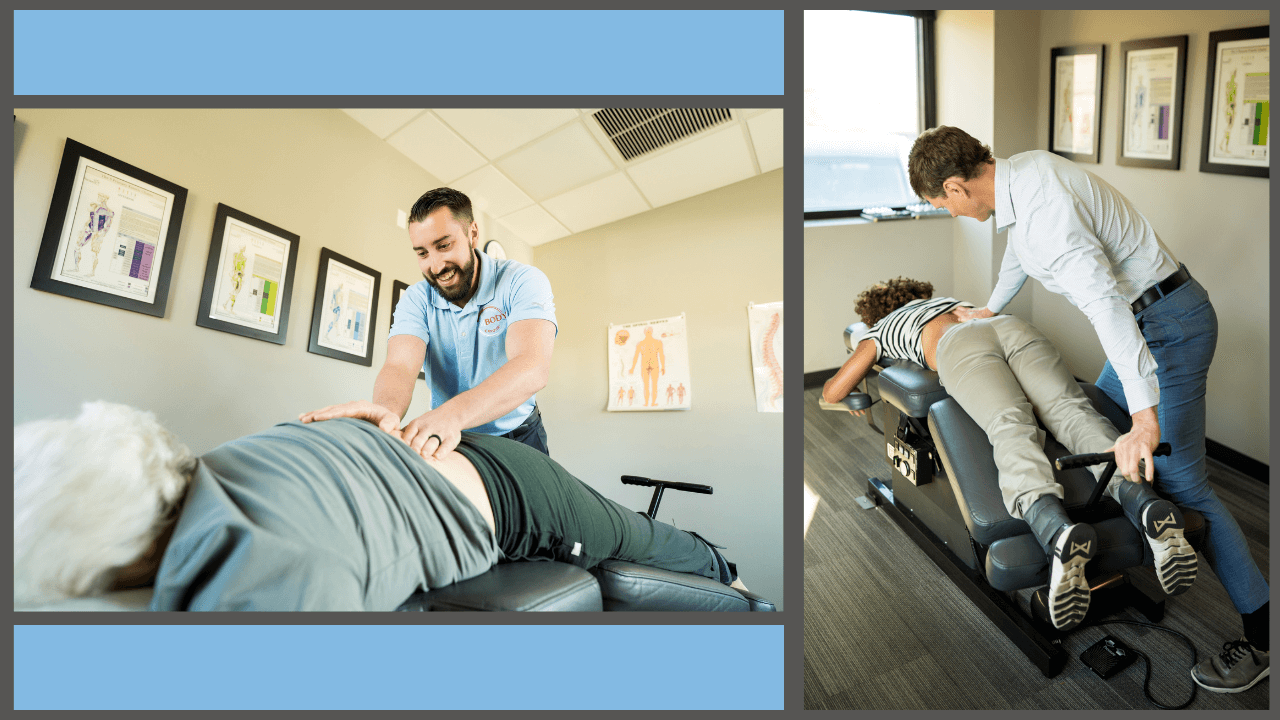
Flexion distraction is one of the most popular recovery techniques we use in our clinic—and once people experience it, they usually understand why.
Patients often tell us it feels like it’s finally targeting the areas that truly need to be stretched, especially when their low back pain feels deep, tight, or hard to release.
While flexion distraction is commonly used for conditions like facet-related low back pain and spinal stenosis, it’s also an excellent option for people who simply feel “stuck” and need relief before they can move forward with exercise or strengthening.
What Is Flexion Distraction?
Flexion distraction is a gentle spinal decompression technique performed on a specialized table designed to move with your body in a slow, controlled way.
As the table moves, your spine is guided into a comfortable forward-bending motion while also creating a light traction or decompression effect. This allows the spine to stretch and unload without force or strain.
Most people describe it as relieving, calming, and surprisingly targeted.
When We Commonly Use Flexion Distraction
We most often use flexion distraction when someone presents with chronic low back pain that feels like deep tension—pain that hasn’t responded well to more traditional chiropractic techniques alone.
It’s especially helpful when:
- The low back feels compressed or tight rather than sharp or unstable
- Facet joints are irritated or overloaded
- Spinal stenosis symptoms improve with bending forward
- Pain needs to calm down before exercise feels doable
- Generalized low back pain that has not responded to other rehabiliation or physical therapy
Many people tell us this is the missing piece that finally allows them to move more comfortably again.
How Flexion Distraction Helps Spinal Stenosis and Facet Pain
Flexion distraction gently opens the joints and spaces in the spine.
For facet joints, this unloading can reduce pressure and stiffness.
For spinal stenosis, forward bending helps open the spaces where nerves exit the spine, which can reduce nerve irritation and leg or back symptoms.
The result is often less pressure, easier movement, and improved tolerance for daily activities.
What Do We Mean by “Spinal Decompression”?
Most stretches move the spine side to side, forward and backward, or through rotation.
Spinal decompression is different. It’s a stretch that happens straight out—as if gently making the spine longer. That type of stretch is very difficult to achieve on your own.
The flexion distraction table allows this decompression to happen in a supported, controlled way while the spine is also moving. That combination is what makes this technique feel so effective.
Why We Combine It With Myofascial Release
In our clinic, we often combine flexion distraction with myofascial release along the spinal erector muscles.
There’s something powerful about stretching the spine while also releasing tension in the surrounding muscles. The combination provides a benefit similar to active release techniques—allowing muscles to lengthen while pressure is applied—helping everything relax and move more freely.
Many patients notice that this pairing makes the treatment feel more complete and longer lasting.
Not Just for Pain Relief—Great for Recovery
Flexion distraction isn’t only for people in pain.
It’s also a great option for people who want to work out, train, and get stronger—but feel like they need to relieve pain or stiffness first. Once the spine moves more freely, exercise often feels more accessible and productive.
Is This the Technique You’ve Been Looking For?
Flexion distraction isn’t about forcing movement or chasing cracks. It’s about creating space, reducing pressure, and helping the spine move the way it’s meant to.
If your low back pain feels deep, tight, or resistant to other approaches, this may be the technique that finally makes things click.
